
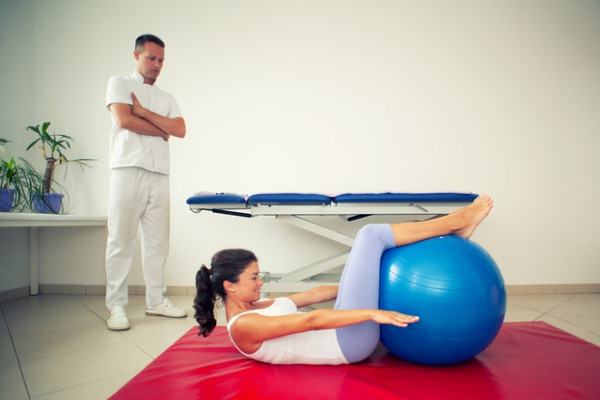
Swiss Ball Workouts That Improve Balance and Flexibility
Using a Swiss ball during your workouts can be very rewarding as you build your core and improve stability and balance. At Athletic Stuff, we proudly offer a wide selection of sports, games, and exercise equipment to customers throughout the United States of America, such as Swiss balls. Workouts can be more challenging and reap better results when you incorporate an exercise ball. With stability ball exercises, you must do more than standard workout motions. Using an exercise ball for workouts hits multiple areas of fitness and physical well-being, including flexibility and core strength, to keep you stable. We’ve provided ample insights into exercise balls below and encourage you to learn about balance training with a Swiss ball and flexibility exercises that keep you fit and limber.
What Makes Swiss Ball Exercises Effective?
Swiss ball exercises are effective because they introduce controlled instability, requiring multiple muscle groups to work together to maintain balance and proper form. This constant adjustment activates deep core muscles, including the abdominals and lower back, which are often underused in traditional workouts. As a result, strength develops alongside improved coordination and body awareness. The ball also encourages a fuller range of motion, which can enhance flexibility and joint mobility over time. Because movements are low impact, they place less stress on joints while still challenging muscles. This combination supports better posture, reduces the risk of injury, and promotes overall physical fitness and long-term functional well-being.
Benefits of Swiss Ball Workouts
Swiss ball workouts have gained widespread attention for their ability to make simple exercises more engaging and effective. By adding an element of instability, they activate deeper muscles and improve overall movement quality. These benefits have made Swiss balls a popular choice for home and gym routines. Athletic Stuff carries a selection of Swiss balls designed to support better physical performance, helping you upgrade your workouts and experience stronger, more balanced results with consistent use. Below are examples of the compelling benefits of using a Swiss ball for your workout routine:
- Strengthens core muscles by requiring constant stabilization during movements.
- Improves balance and coordination through controlled, unstable positioning.
- Enhances flexibility by supporting a greater range of motion in exercises.
- Promotes better posture by engaging spinal support muscles consistently.
- Reduces joint stress with low-impact, supportive exercise surfaces.
- Increases muscle endurance through sustained engagement during routines.
- Adds variety to workouts, keeping routines fresh and motivating.
Core Balance Workout with an Exercise Ball
Core balance workouts with an exercise ball are highly effective because they challenge stability while strengthening essential muscle groups. As your body works to stay centered, your core, hips, and lower back become more engaged, leading to better coordination and control. These exercises also improve posture and body awareness, helping reduce strain during everyday movements. Over time, consistent training can enhance athletic performance and support overall physical stability, making exercise balls a valuable addition to any fitness routine. Some essential core balance workouts you can perform with an exercise ball include the following:
- Seated balance hold builds core stability and improves posture control.
- Stability ball plank strengthens abdominals while enhancing coordination.
- Ball pass targets the upper and lower core through controlled movement.
- Single-leg balance on a ball improves coordination and hip stability.
- Wall squat with a ball engages your core while strengthening your lower body.
- Back extension builds lower back strength and spinal support.
Structuring an Effective Exercise Ball Workout
An effective exercise ball routine should begin with a brief warmup and then focus on simple movements that build stability and confidence. Beginners can start with seated balance holds, wall-supported squats, and basic crunches to activate the core, legs, and lower back. You want to aim for controlled repetitions while maintaining proper form and steady breathing. As strength improves, you can gradually introduce more challenging exercises like planks on the ball, pike roll-ins, or single-leg balance work. Increasing difficulty should be based on comfort, control, and consistency rather than speed. A well-structured routine progresses naturally, helping you build strength, coordination, and endurance without unnecessary strain or risk of injury over time.
Safety Tips for Swiss Ball Training
Safe Swiss ball training begins with a proper warmup to prepare muscles and reduce strain during movement. You need to choose a ball that matches your height, so your body stays aligned and balanced. Wear supportive, non-slip footwear and exercise on a stable surface to prevent sliding. Focus on controlled motions rather than speed, keeping your core engaged to maintain stability. Start with basic exercises and gradually increase difficulty as your strength and coordination improve. We also advise you to pay attention to how your body responds and allow time for recovery between sessions. Athletic Stuff is ready to help you advance your exercise routine with our Swiss ball selection, so get in touch with us today for more information.
Swiss Ball Training FAQs & Our Answers
Are Swiss Ball Workouts Suitable for All Fitness Levels?
Swiss ball workouts can be adapted for beginners through simple balance exercises, while advanced users can increase difficulty with dynamic movements. These adjustments make Swiss balls suitable for nearly every fitness level.
How Do Swiss Ball Exercises Improve Core Strength?
The unstable surface forces core muscles to stay engaged throughout each movement, activating deeper stabilizing muscles and improving overall strength, balance, and control with consistent, focused practice.
Can Swiss Ball Workouts Replace Traditional Strength Training?
Swiss ball workouts enhance traditional routines but should not fully replace them. Combining stability exercises with resistance training provides more balanced muscle development and overall fitness improvements.
How Often Should I Include Swiss Ball Exercises in Workouts?
Incorporating Swiss ball exercises two to four times per week allows for steady progress, giving muscles enough time to recover while improving stability, coordination, and core strength effectively.
What Are Some Advanced Swiss Ball Exercises to Try?
Advanced users can try pike roll-ins, single-leg planks, or weighted ball passes. These Swiss ball exercises challenge stability, coordination, and strength while engaging multiple muscle groups for a more demanding workout experience.
Recent Posts
-
Swiss Ball Workouts That Improve Balance and Flexibility
Using a Swiss ball during your workouts can be very rewarding as you build your core and improve sta …Jul 21st 2026 -
Benefits of Exercise Balls for Core Strength and Stability
Working out can be difficult as you wait to see results and make time for training. Fortunately, Ath …Jul 16th 2026 -

Fun Frisbee Disc Games for Schools and Community Programs
Do you want to fill your academic or leisure time with a fun, exciting game that keeps you moving an …Jul 14th 2026