
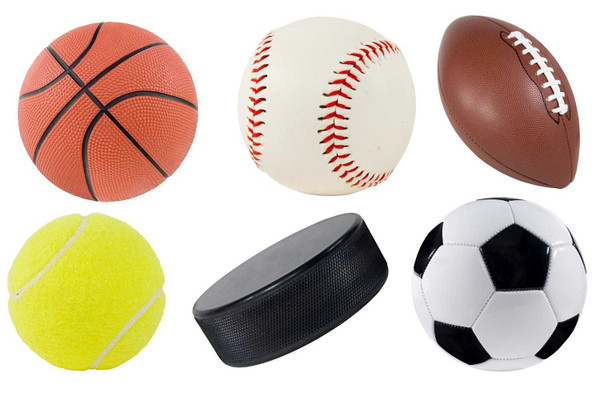
Choosing the Right Pucks and Balls for Indoor and Outdoor Sports
At Athletic Stuff, we love helping schools, coaches, and PE teachers find gear that fits real-world use. In this guide, we’ll break down how to choose the best inflatable sports balls and other ball options for school programs. We’ll cover indoor and outdoor PE balls, key material differences, sport-by-sport recommendations, and simple care tips that help your equipment last longer.
Understanding Inflatable Balls in Physical Education
In physical education, inflatable balls are valued for their versatility, easy storage, and variety in size and material. These air-filled balls, such as basketballs, soccer balls, and volleyballs, can be adapted for different ages and skill levels. Material choice, like rubber, composite, or foam, is important as it affects grip, bounce, and durability. PE teachers should select balls based on the sport, class environment, and student age to ensure suitability and effectiveness.
Indoor vs. Outdoor Use in PE Programs
The surface a ball is used on directly impacts its performance and lifespan. Indoor balls are designed for smooth gym floors and often have composite covers for better control and feel, such as advanced composite basketballs used in most schools. Outdoor balls, on the other hand, must withstand rough surfaces like asphalt or concrete. They typically have durable rubber covers to resist wear. Choosing the correct ball for the environment is cost-effective for schools and enhances the student's playing experience.
Key Factors PE Teachers Should Consider When Selecting Inflatable Balls
PE teachers have to think beyond brand names. The best choice often comes down to daily use, class size, and student needs. When purchasing sports balls, consider:
- Age and grade level
- Surface and setting
- Durability and budget
- Grip and feel
Inflatable Ball Selection by Sport for Physical Education
Basketballs for PE
For indoor play, advanced composite basketballs are the standard in many schools and team settings. They offer strong grip and a quality feel for gym use. A model like the Spalding TF-1000 Legacy Basketball fits this category well.
For mixed indoor and outdoor use, lower-cost composite basketballs are a smart middle ground. They provide durability without the price tag of premium indoor models. The Champion Sports SB1000 Composite Basketball is a good example.
For outdoor courts, rubber basketballs are often the best fit. They handle asphalt and concrete better than composite covers. Schools can choose budget models or premium rubber options like the Mikasa BX1000 Premium Rubber Basketball, which offers thicker, softer rubber for longer wear.
Soccer Balls for PE
For games, advanced composite balls are popular because they combine durability, soft touch, and strong performance. Hand-stitched models, like the Brine Championship II Soccer Ball, offer excellent shape retention. Thermal-bonded designs, such as the Champro Kansai Thermal Bonded Soccer Ball, help block water absorption in wet conditions.
For practice, machine-stitched composite balls are common and cost-effective. The visible stitching is an easy way to identify them. The Champion Sports Retro Soccer Ball is a strong option for training and PE drills.
For playground and elementary use, rubber soccer balls make sense for schools that need versatility and value. The Champion Sports Rubber Soccer Ball works well across multiple games and activity stations.
Specialty choices matter too. Futsal balls use composite materials and added foam layers to reduce bounce, while felt-covered indoor soccer balls give a different feel for gym play.
Footballs for PE
For elementary school, foam and rubber footballs are often the best choice. They are easier to grip, less intimidating, and safer for younger students. Products like the Champion Sports Coated Foam Turbo Football and Champion Sports Rubber Football fit well here.
For middle and high school PE, composite footballs are widely used. They give students a more realistic feel without moving all the way to premium leather game balls. The Champro Sports CT6 Composite Football is a strong example.
Leather footballs are mainly for official high school, college, and pro competition. In PE, they are usually not necessary for general instruction.
Volleyballs for PE
For elementary grades, rubber or soft composite volleyballs are often best. They are easier on the arms and help students build comfort with passing and serving. Good examples include the Champion Sports Rubber Volleyball and the Baden Match Point Composite Volleyball.
For middle school, high school, and college-level practice, advanced composite volleyballs are often preferred. They feel more like competitive game balls while still offering good control. The Tachikara SV5WSC Colored Composite Volleyball is a trusted choice in this category.
Proper Inflation & Handling for PE Classes
Even the best volleyball won't perform well if it's not inflated properly. Underinflated balls feel sluggish, while overinflated ones can bounce too hard and wear out faster. It's important to follow the manufacturer’s recommended pressure and use a pressure gauge to ensure consistency for every class.
Storage, Care & Maintenance for School Programs
Proper storage can significantly extend the life of PE balls. Store them in a clean, dry area away from direct sunlight, extreme temperatures, and sharp objects. Use ball carts, mesh bags, or shelving to prevent piling. Regularly wipe down the balls to remove dirt and moisture, which can degrade materials. It's also beneficial to inspect equipment on a schedule to catch and address small issues like cracks, loose seams, or leaking valves early, preventing larger replacement costs later.
Common Mistakes in PE Ball Selection
One common mistake is choosing all-purpose balls for every setting. While versatility matters, one ball rarely performs equally well indoors and outdoors. Another mistake is buying based on price alone. The cheapest option may cost more in the long run if it wears out quickly under daily school use.
Schools also sometimes overlook age-appropriate sizing and softness. Younger students need equipment that matches their development. A ball that feels too hard or too large can reduce participation.
FAQs
What Are the Best Inflatable Sports Balls for Elementary PE?
For elementary students, softer options are usually best. Rubber, foam, and soft composite balls help younger players build confidence and basic skills safely.
Are Indoor and Outdoor PE Balls Interchangeable?
Sometimes, but not always. Indoor balls are often designed for smooth gym floors, while outdoor balls are built to handle rougher surfaces. Using the wrong one can shorten its lifespan.
What Material Is Best for Inflatable Basketballs in Schools?
Composite works well indoors and for mixed use, while rubber is often best for outdoor courts. The right pick depends on where students play most often.
How Often Should PE Balls Be Checked for Inflation?
It depends on use, but weekly checks are a smart routine for busy programs. Heavily used equipment may need more frequent checks.
Shop Athletic Stuff!
At Athletic Stuff, we’re passionate about helping schools and programs find gear that works as hard as their students do. Whether you need indoor and outdoor PE balls, inflatable basketballs, inflatable soccer balls, inflatable footballs, or inflatable volleyballs, we’re here to help you choose with confidence.
Explore Athletic Stuff’s selection of PE equipment and find the right balls for every class, court, and season.
Recent Posts
-
Swiss Ball Workouts That Improve Balance and Flexibility
Using a Swiss ball during your workouts can be very rewarding as you build your core and improve sta …Jul 21st 2026 -
Benefits of Exercise Balls for Core Strength and Stability
Working out can be difficult as you wait to see results and make time for training. Fortunately, Ath …Jul 16th 2026 -
Fun Frisbee Disc Games for Schools and Community Programs
Do you want to fill your academic or leisure time with a fun, exciting game that keeps you moving an …Jul 14th 2026